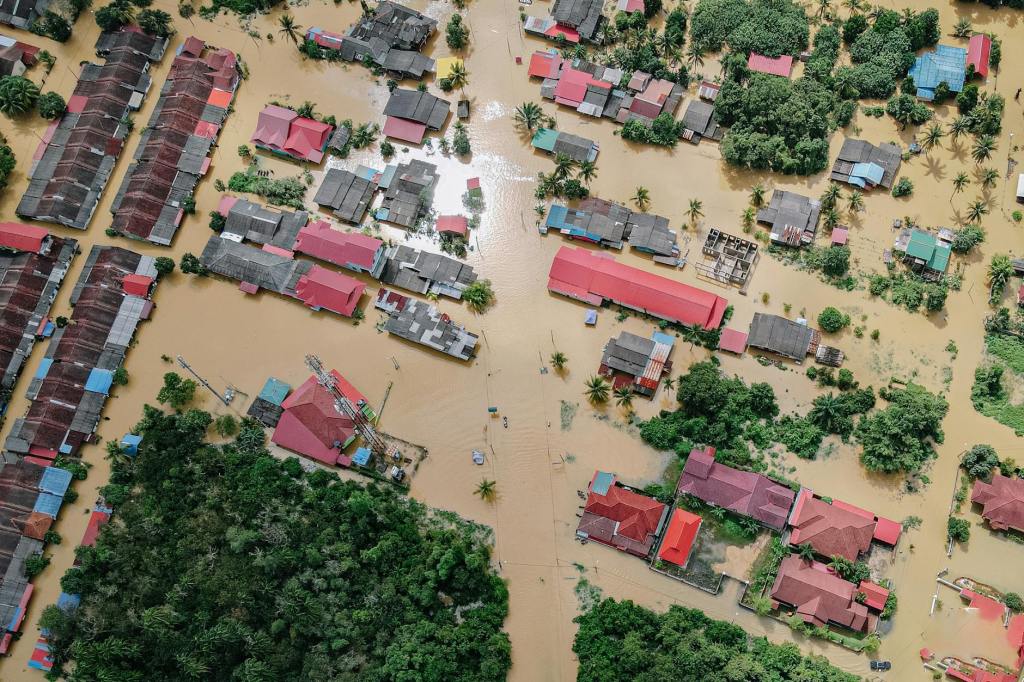
In my current home state of Florida, hurricane season is a time of worry in a lot of households. The “season” is actually June 1 thru November 30, with peak season being between mid- August and late October. That’s six months of freaking out and only a few days or even hours to make a plan. While prepping your family and home for hurricane season , don’t forget your fur babies too!
Coming from California, hurricanes were new territory for me. I admit hearing all the alarms and watching the news really freaked me out! Luckily I have a friend group of natives who helped in preparing me for my first season, and a job where making sure other people are informed pushed me to educate myself and gather information on what I needed to do to personally be ready. Whether your plan is to evacuate, stay with friends or shelter in place here are things you can do to help be prepared.
- Keep pets up to date with vaccinations and have printed copies for each pet. You never know if you will need to board them at a kennel, show proof when travelling to another state or staying in a hotel. In Florida all cats and dogs must legally be up to date with a Rabies vaccination once they are of age. It varies state by state so check your local laws: https://www.dvm360.com/view/rabies-laws-what-you-need-to-know
- Make sure your pet is microchipped and that the information is updated and current. Storms are scary for a lot of our pets and their fight or flight or freeze will definitely kick in. Having a microchip is basically an embedded tag so you can be reunited even if they aren’t wearing a collar.
- Refill medications and ask your veterinarian for an extra week or two’s worth if possible, especially if they are medications essential to keeping your pet healthy and alive, like insulin and heart medications! Don’t forget to discuss with your veterinarian anxiety or calming medications especially if you have a pet with noise aversion or storm phobia, or nausea medications in case you will be driving a long distance with them.
- Ditch the retractable leash (honestly I wish we can just ban these devices all together) and make sure you have a slip lead type leash on your dog, a martingale collar will work as well, again when they are scared their instincts may tell them to run and they can back out of a collar or harness.
- Dust off the carrier. You ideally should have a carrier for each small pet in your household. Each cat, small dog , Guinea pig, etc. should be placed in a separate carrier.
- Food- make sure you have enough food for at least a week and store dry kibble or hay in a large Tupperware or storage container to avoid getting wet, which can be a huge mess or even lead to mildew and mite issues. If your pet is on a prescription diet make sure you have plenty on hand as some veterinarian offices may be closed or shipping delays of specialized food may be an issue. If you use a fresh food diet some companies ( like Just Food For Dogs) Will have a pantry option in case of prolonged electricity outages.https://www.justfoodfordogs.com/pantry-fresh/
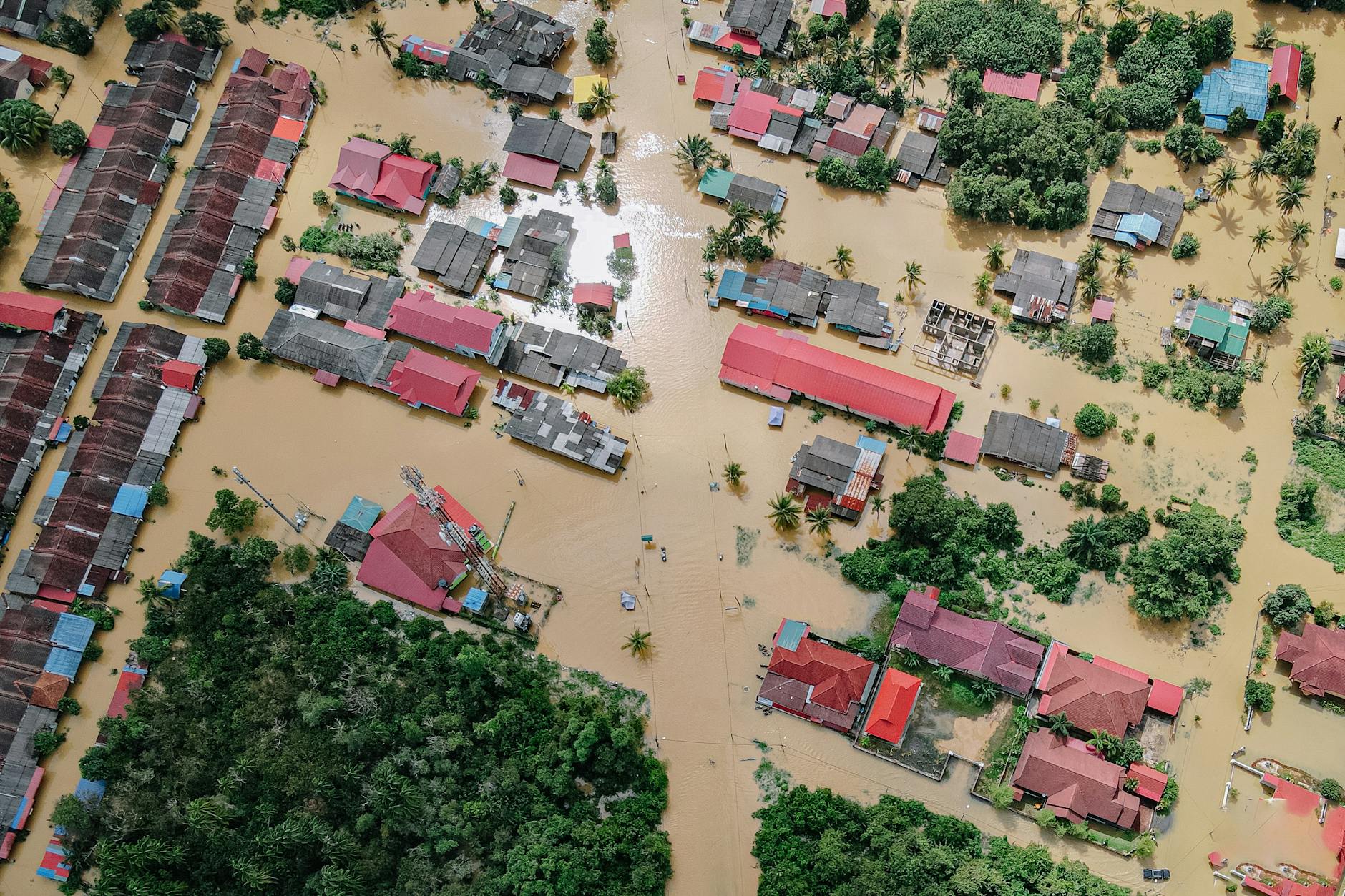
- Don’t delay. If you are in an evacuation zone and have multiple pets or pets who will be difficult to transport in an emergent situation, you shouldn’t wait until the last minute. We have all seen images of the person on the roof with their dog and water rushing around them. It is not guaranteed you will be rescued let alone someone offer to help you and your pet especially if they are in the midst of a search and rescue mission.

 Words of A real
Leave a comment